

Impacted Tree Species
Southern Ohio's landscape is defined by lush forests and the rolling foothills of the Appalachian Mountains. These trees are not just part of the scenery—they are deeply woven into the fabric of our region's identity and our daily lives.
However, as our climate continues to change, these trees are facing new challenges. Many of the species that have thrived here for centuries will struggle to keep pace with rising temperatures, altered rainfall patterns, and other environmental shifts. Some of Southern Ohio's most beloved trees, like the Paw Paw and Yellow Buckeye, are particularly vulnerable and are not adapting well to these changes.
In this post, we’ll explore which tree species in our region are least likely to adapt to climate change. The insights presented here are based on research from the USDA's Climate Change Atlas for Tree Species, which you can access online here.
Yellow Buckeye
Yellow Buckeye (Aesculus flava) is a striking tree known for its early spring leaf-out, elegant flowers, and unique fruit. It plays a role in supporting species like the American dagger moth, but its future is increasingly uncertain. This tree has high habitat and soil specificity, meaning it thrives only in very specific environments. As climate and land use rapidly shift, the Yellow Buckeye struggles to adapt—facing poor seed dispersal, declining seedling success, and sensitivity to changes in both habitat and soil.
Adding to its vulnerability, all parts of the tree are toxic if consumed, which limits its use in some human-altered landscapes. Still, its ecological contributions and seasonal beauty make it a species worth protecting. If we don't act to preserve its natural habitats, the Yellow Buckeye could quietly vanish from our forests.

Cormorant Garamond is a classic font with a modern twist. It's easy to read on screens of every shape and size, and perfect for long blocks of text.
Black Willow
Black Willow (Salix nigra) is a fast-growing native tree best known for its shallow, spreading roots, which make it exceptional at preventing erosion along riverbanks and wetlands. Its bark, once used by Indigenous communities and settlers as a natural remedy for headaches, contains salicylic acid—the compound that inspired modern aspirin. Beyond its medicinal history, Black Willow plays a unique environmental role through phytoremediation, helping clean polluted soils by absorbing heavy metals like lead and cadmium.
Despite its usefulness, the tree faces serious challenges. It is highly intolerant of shade, vulnerable to fire, and sensitive to drought, all threatening its survival in a rapidly changing landscape. To protect this unsung environmental ally, Black Willows should be planted in open, moist areas to stabilize soils, support biodiversity, and quietly heal the land.

Cormorant Garamond is a classic font with a modern twist. It's easy to read on screens of every shape and size, and perfect for long blocks of text.
Shingle Oak
Shingle Oak (Quercus imbricaria) is a broad-canopied native oak once used by pioneers to craft wooden shingles, giving the tree its name. With thick roots and minimal root flare, it anchors well in open spaces, supporting a stunning variety of wildlife—from foxes, deer, and squirrels to birds like the bobwhite and the tufted titmouse. Its smooth-edged leaves, flowers, and acorns provide food and shelter, and like all oaks, it serves as a host plant for over 500 species of butterflies and moths.
However, Shingle Oak has a very low shade tolerance, making it poorly suited to regenerating under forest canopies and vulnerable in changing landscapes. It also requires up to two years for its fertilized flowers to fully mature into acorns, slowing its reproductive cycle. Support the future of our forests by giving this oak the space and sunlight it needs to thrive.

Cormorant Garamond is a classic font with a modern twist. It's easy to read on screens of every shape and size, and perfect for long blocks of text.
Sweet Birch
Sweet Birch (Betula lenta) is a striking pioneer species, known for its wide, shallow root system that helps stabilize disturbed land. It supports wildlife like the morning cloak caterpillar, which feeds on its leaves, and the Megachile rubibee, which uses its foliage to build nests.
Historically valued as the sole source of oil of wintergreen, Sweet Birch also boasts wood that darkens over time to a rich, mahogany-like hue.
But this tree is in decline. It struggles in shaded forests, is highly flammable, and prone to disease, making it difficult to establish naturally.
Protecting and planting Sweet Birch in open areas can restore biodiversity and preserve its ecological and historical legacy.

Cormorant Garamond is a classic font with a modern twist. It's easy to read on screens of every shape and size, and perfect for long blocks of text.
Serviceberry
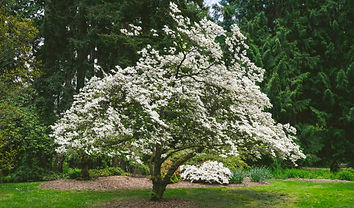
Serviceberry (Amelanchier spp.) is a versatile native tree prized for both its ornamental beauty and ecological value. With proper pruning, it can grow as a graceful shrub or a small tree, offering white, five-petaled flowers in spring, red-to-purple edible fruit in summer, and brilliant orange-red foliage in fall. A member of the Rosaceae family—alongside apples and roses—it supports a wide range of wildlife, including the Cedar Waxwing, which feeds on its ripe fruit. Its self-pollinating flowers, fine-toothed oval leaves, and smooth gray bark make it easy to identify and a charming focal point in any landscape. However, Serviceberry is highly drought-sensitive, putting it at risk as climates shift. It also faces pressure from common pests like the Japanese beetle.
Still, its ability to attract diverse species, feed pollinators, and delight through multiple seasons makes it a valuable candidate for planting and preservation. In gardens, parks, or rewilded spaces, the Serviceberry offers a powerful way to support biodiversity while adding year-round beauty.
Cormorant Garamond is a classic font with a modern twist. It's easy to read on screens of every shape and size, and perfect for long blocks of text.
Pitch Pine
Pitch Pine (Pinus rigida) is a tough, fire-adapted native tree with a distinctive short, stunted root system that anchors it in rocky, nutrient-poor soils where few others can thrive. Its high resin content made it historically valuable for producing pitch, tar, and turpentine, and that same resin helps it resist fire and regenerate, even sprouting directly from its trunk. Pitch Pine’s flowers and cones support species like the pine devil moth and pine warbler, adding ecological value to dry forests and coastal habitats. However, it is highly intolerant of shade and competition, making it vulnerable in landscapes where taller, faster-growing trees dominate.
Despite its challenges, Pitch Pine is a cornerstone of resilient ecosystems—especially in fire-prone or coastal areas where salt tolerance and sunlight are in abundance. Planting and protecting Pitch Pine helps preserve biodiversity and sustain the rugged environments it is built to endure.

Cormorant Garamond is a classic font with a modern twist. It's easy to read on screens of every shape and size, and perfect for long blocks of text.
Paw Paw
Pawpaw (Asimina triloba) is a remarkable native understory tree, instantly recognizable by its large, tropical-like leaves, hanging maroon spring flowers, and creamy, custard-textured fruit that ripens in late summer. Often tucked beneath the canopy of hardwood forests, it plays a vital ecological role as the sole host plant for the zebra swallowtail butterfly, supporting its entire life cycle. Despite its beauty and biodiversity value, the Pawpaw faces increasing risk due to its low drought tolerance, making it vulnerable as climate conditions grow more extreme. Planting Pawpaws in shaded, moist, and protected areas helps conserve pollinator relationships, preserve native forest diversity, and reintroduce a unique, once-overlooked edible fruit.

Scott Bauer, USDA - USDA ARS Image Number K7575-8
Shellbark Hickory
Shellbark Hickory (Carya laciniosa)—also called King Nut Hickory—is a towering native tree known for its shaggy, furrowed bark and for producing the largest nuts of any hickory species. Its sweet kernels are a favorite of wildlife, though tough to crack by hand, and its strong, resilient wood is still valued for furniture, tool handles, fuelwood, and charcoal. The tree supports a range of forest life but faces pressure from threats like the pecan weevil and a high sensitivity to drought and environmental change. With low adaptability to new soils and habitats, the Shellbark Hickory is predicted to decline in a changing climate.
Despite these challenges, its ecological and cultural value remains high. Preserving and planting Shellbark Hickory helps maintain forest diversity, support wildlife, and safeguard a species whose presence once defined rich bottomland woods.

Cormorant Garamond is a classic font with a modern twist. It's easy to read on screens of every shape and size, and perfect for long blocks of text.
Eastern Cottonwood
Swelling up from river bottoms and floodplains, the Eastern Cottonwood grows with endurance. The Eastern Cottonwood tree grows bark so thick that mature trees sometimes withstand fires with only minor damage. This grey shade giant races to fill the sky with its full canopy of branches and reaches massive heights, often exceeding 80 ft. high. Although this tree prefers damp areas, it can survive droughts and thrive in a variety of locations.
The Eastern Cottonwood is projected to adapt poorly to the changing climate in southern Ohio. As heavy rains increase, the time that Cottonwood trees along riverbanks and floodplains spend submerged each season also increases. In addition, researchers at Purdue University have found that climate change can disrupt the synchrony of natural cues for growth and development, leading to a decline in Cottonwood populations.

Cormorant Garamond is a classic font with a modern twist. It's easy to read on screens of every shape and size, and perfect for long blocks of text.